
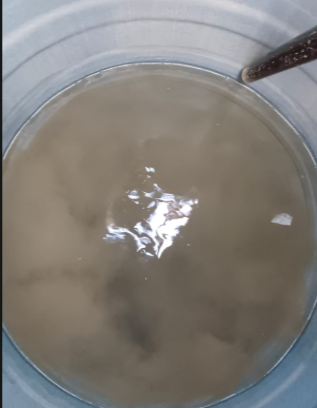
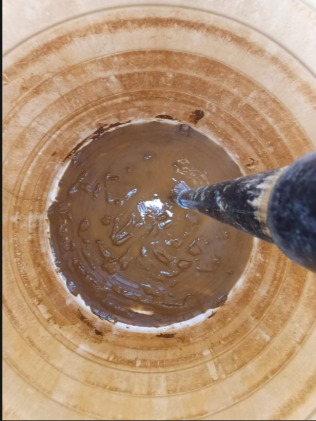
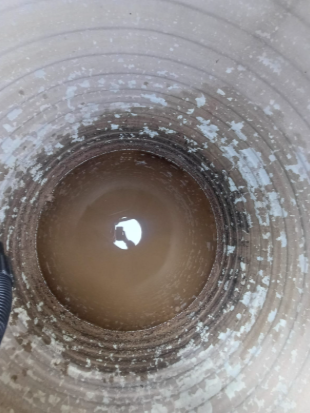
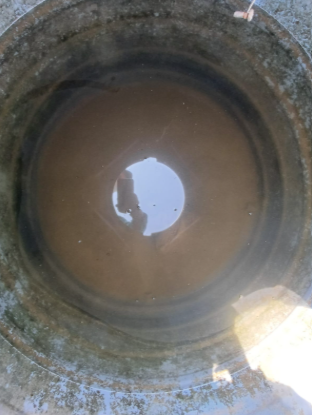
Before cleaning
Sludge, sediment & buildup
Final visit details and any transport charge are confirmed before booking.
Every visit follows a careful sequence, from draining and sludge removal to a clean handover.
We switch off the pump that fills the tank, close the inlet, and drain the water so the floor, walls and corners are exposed.
Why it matters: With the tank empty, our team can clean its surfaces and inspect the sludge, fittings, lid and overall condition.
Before we arrive: Fill a few buckets if you will need water while the cleaning is underway.
A vacuum machine lifts settled silt, organic matter and dead biofilm from the tank.
Why it matters: Removing sludge first keeps it from being stirred back into the water or flushed into pipes, taps, the geyser or RO filter.
We apply treatment to the tank walls, floor, corners and ceiling, as appropriate for the tank and the service.
Why it matters: The treatments help remove hard-water deposits and target bacteria on tank surfaces.
We scrub and wash the walls, floor, corners and ceiling, paying close attention to the underside of the lid, inlet, float valve and floor joints.
Why it matters: Scrubbing breaks up biofilm that clings to tank surfaces. For plastic tanks, we use soft brushes and controlled pressure to avoid scratching the inner surface.
We send before-and-after photos on WhatsApp, secure the lid or manhole cover, reopen the inlet and leave the tank ready to refill.
Why it matters: Photos let you confirm the work, compare future cleanings and keep a service record for your home, RWA or business.
Real tank interiors before and after a professional clean. The first four photos show before; the next four show after.
Sludge, sediment & buildup
Washed tank interiors
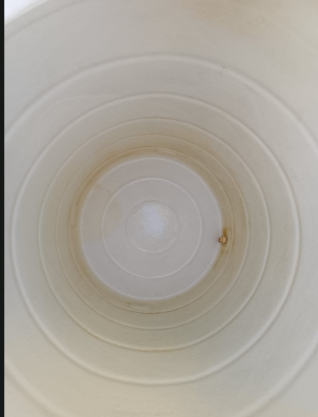
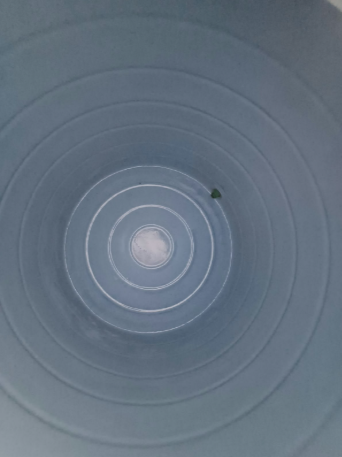
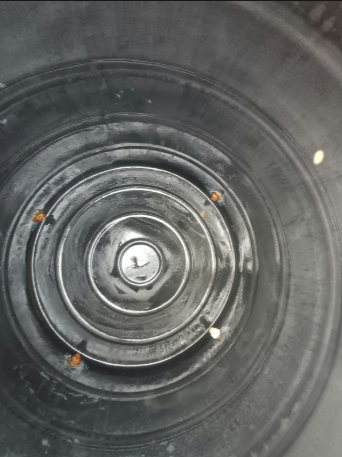
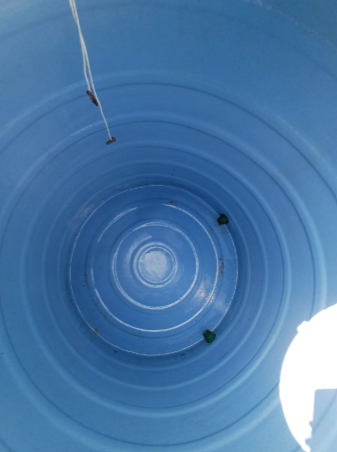
See why a careful clean matters. This illustration shows the difference between a tank between cleans and one that has been professionally washed.
We share genuine before-and-after photos from your own service directly with you. This illustration is a simple guide to the buildup that can collect over time.
Timing depends on tank size, access and condition. Your crew confirms the visit plan before work begins.
| Tank | Typical time |
|---|---|
| Overhead, 500–2,000 L | About 45–60 minutes |
| Overhead, 2,500–10,000 L | Longer, depending on size and condition |
| Underground sump | Longer than an overhead tank of the same size, because of sludge |
| Several tanks | Planned as one visit; we'll estimate when confirming |
Choose your tank type and size, then request a visit.