
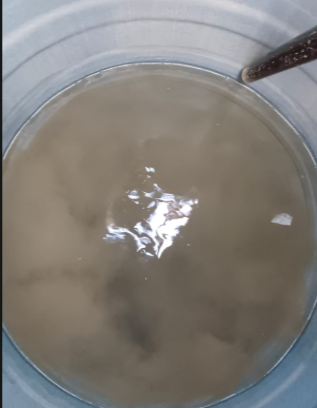
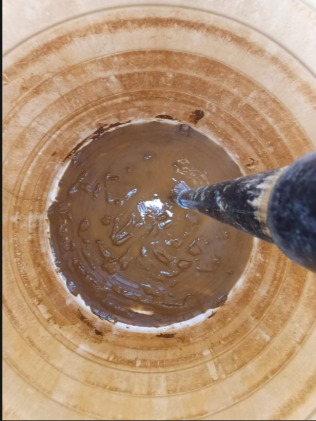
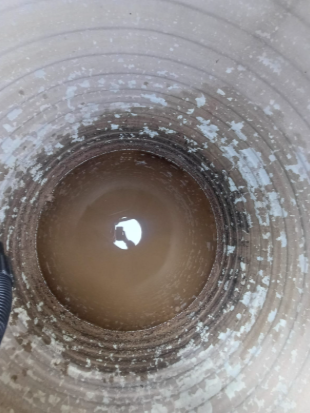
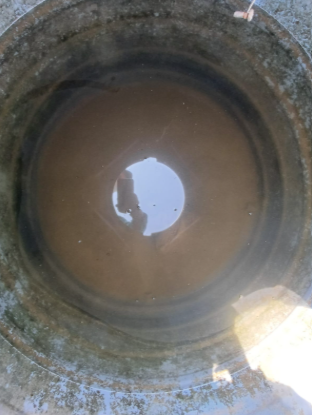
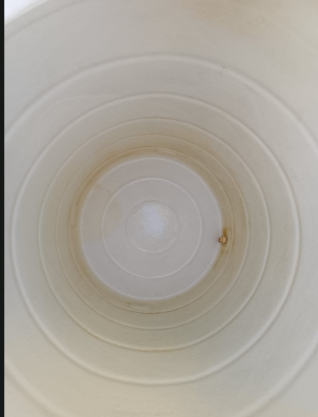
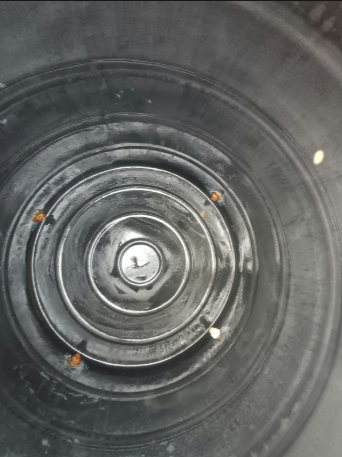
Before cleaning
Sludge, sediment & buildup
Final visit details and any transport charge are confirmed before booking.
From rooftop and loft tanks to underground sumps, we clean tanks for homes, societies and commercial properties with a careful five-step process.
“Tank cleaning” can mean very different things. At one end, someone climbs in with a brush, scrubs the walls and drains dirty water through your outlet pipe — straight into your plumbing. At the other, the tank is emptied, settled sludge is physically removed, every surface is scrubbed and washed, the tank is disinfected and rinsed, and you get photographic proof of the result. VSH Tank Cleaning does the second, every time, regardless of tank size.
A professional service matters because the problem inside a storage tank isn’t just visible dirt. Fine sediment settles into a soft layer on the floor, bacteria colonise the walls in a slimy film called biofilm, and light entering through a translucent wall or gap in the lid feeds algae. Each layer protects the next from chlorine in the supply water. Removing them needs the right sequence and equipment, not just effort.
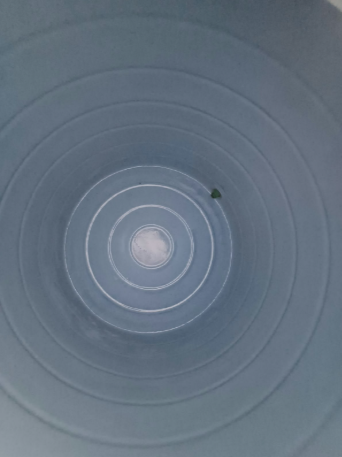
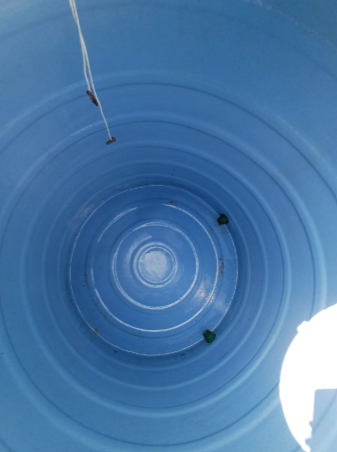
Real tank interiors before and after a professional clean. The first four photos show before; the next four show after.
Sludge, sediment & buildup
Washed tank interiors
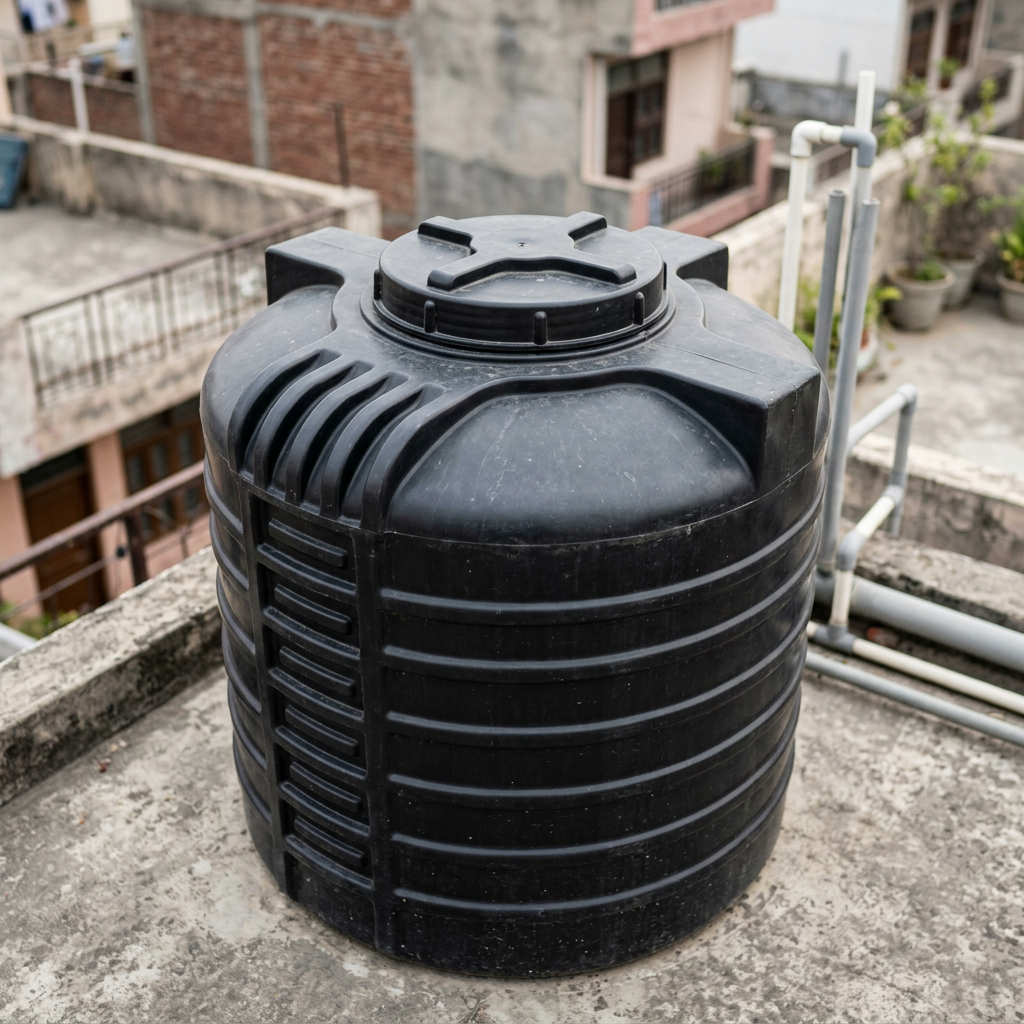
Rooftop and loft tanks — plastic (including Sintex-type rotomoulded tanks), PVC and concrete — from 500 litres up to 10,000 litres. These tanks take the most heat and light, so algae and biofilm are common.
Explore overhead tank cleaning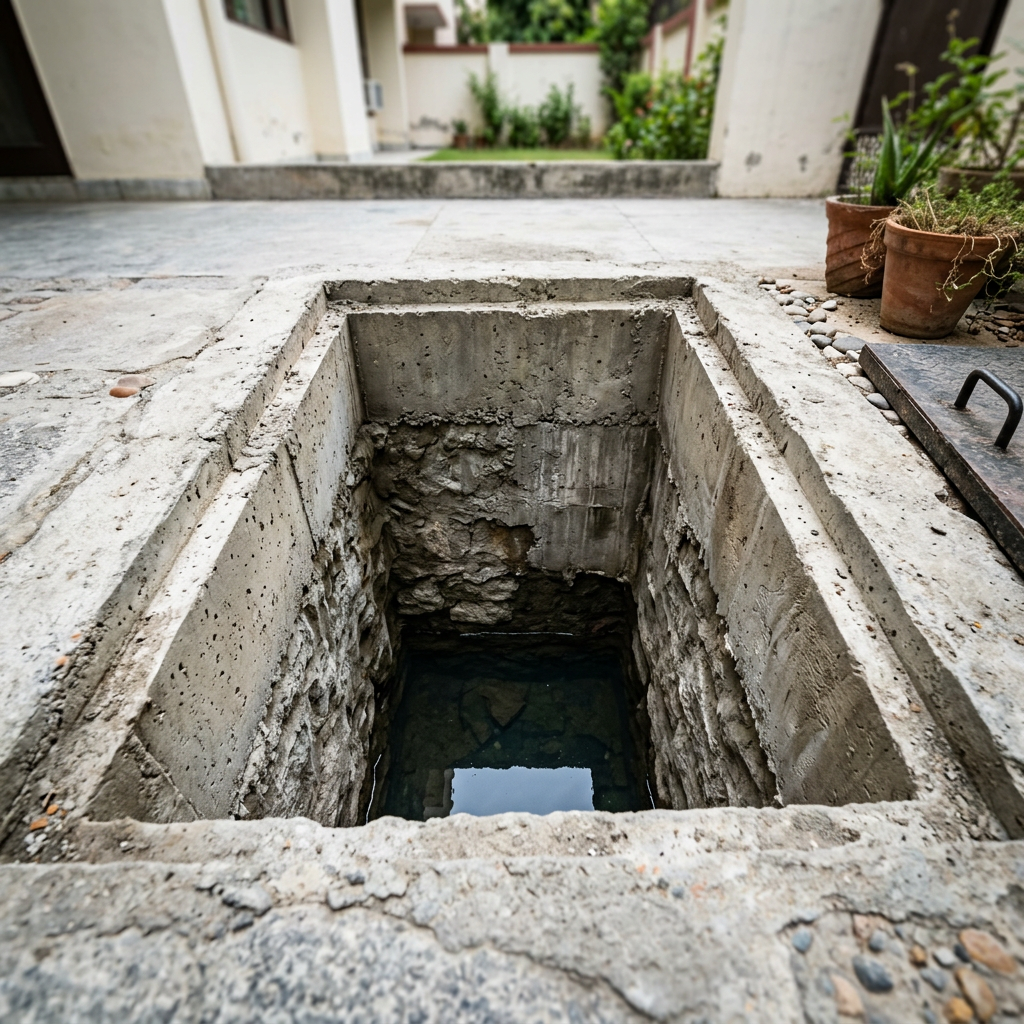
Concrete and brick sumps, usually under a driveway, stairwell or parking slab, from compact 1,500-litre sumps to 30,000-litre reservoirs. Underground tanks collect the heaviest sludge because they receive water first.
View underground tank optionsIf stored water is used for cooking, drinking (even after RO), or by children and elderly family members, disinfection is the step that matters most.
Read about our processPlastic tanks need a gentler touch: no wire brushes or abrasive scrubbing that scratches the inner layer and gives biofilm somewhere to grip.
See tank care guidanceWe clean for independent homes and builder floors, apartments, housing societies, shops, offices, hotels and industrial premises — with annual maintenance contracts for buildings that want a fixed schedule.
Whether you are booking for one home or coordinating several buildings, we confirm the tanks, access and visit plan with you before the team arrives.
Book overhead and underground tanks together for a thorough clean from storage to supply. Share the tank sizes you know, roof or parking access details, and any water-saving needs; our team will confirm the visit plan with you.
Compare tank sizes and pricesPlan a visit around common sumps, overhead tanks and building access. A designated coordinator can help arrange keys, parking and resident notices; we confirm the scope and schedule before work begins and share photo updates after the clean.
Discuss a society visitFor offices, shops, hotels and other workplaces, share your operating hours, tank locations and access restrictions. We will coordinate a suitable visit window and confirm the cleaning scope in advance to help minimize disruption.
Plan a workplace visitSet recurring visits around your property’s use, water source and access needs. Homes can plan routine cleaning, while larger buildings can ask about annual maintenance contracts and a coordinated schedule for multiple tanks.
Ask about maintenance plansWe switch off the pump that fills the tank, close the inlet, and drain the water so the floor, walls and corners are exposed.
A vacuum machine lifts settled silt, organic matter and dead biofilm from the tank.
We apply treatment to the tank walls, floor, corners and ceiling, as appropriate for the tank and the service.
We scrub and wash the walls, floor, corners and ceiling, paying close attention to the underside of the lid, inlet, float valve and floor joints.
We send before-and-after photos on WhatsApp, secure the lid or manhole cover, reopen the inlet and leave the tank ready to refill.
The most common shortcut is skipping proper sludge removal. Scrubbing with sludge on the floor churns it into suspension: some drains out, much settles again after refilling. We vacuum the sludge before scrubbing, so water stays clear instead of clouding the next day.
We pay particular attention to the underside of the lid, inlet, float valve, overflow, and the joints where walls meet the floor. Disinfectant is applied only after surfaces are clean, allowed its contact time, then rinsed before refilling. You receive before-and-after photos on WhatsApp — especially useful for tanks on roofs or beneath slabs.
Prices are per tank, by maximum capacity. Choose your tank type, then add one or more sizes to your booking.
| Tank capacity | Regular | Price / tank | Add to booking |
|---|---|---|---|
| Up to 500 L | ₹599 | ₹499Save ₹100 | |
| 501–1,000 L | ₹719 | ₹599Save ₹120 | |
| 1,001–1,500 L | ₹934 | ₹749Save ₹185 | |
| 1,501–2,000 L | ₹1199 | ₹849Save ₹350 | |
| 2,500–5,000 L | ₹2499 | ₹1499Save ₹1000 |
Other tank size? Chat with us on WhatsApp.
Book several tanks in one visit and the cleaning subtotal is discounted automatically. Mixed tank types count together for the quantity discount.
See full price listA single transport charge applies per booking, based on the road distance from the nearest of our offices in Uttam Nagar and Karol Bagh. The applicable office and charge are confirmed using your PIN code.
| Road distance | Transport charge |
|---|---|
| Up to 10 km | Free |
| Above 10 km up to 15 km | ₹50 |
| Above 15 km up to 20 km | ₹75 |
| Above 20 km | ₹100 |
The exact charge is confirmed for your PIN code before booking and is applied once per visit, not per tank.